
How to start a 3PL fulfillment business: model, costs, WMS and first clients
Starting a 3PL fulfillment business means storing, packing and shipping goods for other companies, usually online stores, and getting paid for each service. The idea is simple. Whether it makes money depends on details: how full your space is, how accurate your team is and how well your software connects to your clients' shops. This guide covers the 3PL business model, what you need before the first client, what the costs depend on, how to win the first clients and the mistakes that hurt most new 3PLs.
What a 3PL fulfillment business does
A third-party logistics (3PL) provider takes over the physical side of e-commerce for its clients: receiving goods, storing them, picking and packing orders, handing parcels to couriers and processing returns. The client keeps selling and marketing; the 3PL makes sure every order leaves on time and with the right items inside. Many 3PLs add services on top, such as cash on delivery collection, labelling, kitting and bundles, or deliveries to retailers and central warehouses.
In practice it is a service business with a warehouse attached. Clients do not pay you for square metres. They pay you to never think about their orders. A missed cut-off or a wrong item reaches their customer and their reviews, which is why reliability is the product you sell.
The 3PL business model: how a fulfillment company earns
Most 3PLs charge per service, in several separate lines:
- Storage, per pallet, shelf, bin or volume, for a period of time.
- Receiving, per pallet, carton or unit checked in.
- Pick and pack, per order, often with a charge for each extra item.
- Packaging materials: boxes, filler, envelopes, tape.
- Shipping: courier rates, where the 3PL's combined volume usually gets better terms than a single store would.
- Returns processing: opening, checking and restocking returned parcels.
- Value-added services: labelling, kitting, inserts, gift wrapping, manual work.
- Sometimes an account or software fee for the client panel and integrations.
Profit comes from utilisation and productivity. Rent, equipment and a core team are fixed costs; revenue grows with orders. A half-empty warehouse, or a team that picks slowly, loses money even with good prices. That is why most successful 3PLs pick a few niches whose order profile fits their space and processes, rather than taking every client that calls.
Choosing a niche
Small parcels such as cosmetics, supplements or apparel need shelving, fast picking and many couriers. Bulky goods need pallet space and different carriers. Food, supplements and cosmetics usually need registrations and batch and expiry tracking. B2B deliveries to shops need booking slots and exact delivery days. Decide early which of these you want to serve, because it shapes the building, the equipment and the software you need.
What you need to start a 3PL
1. Warehouse space
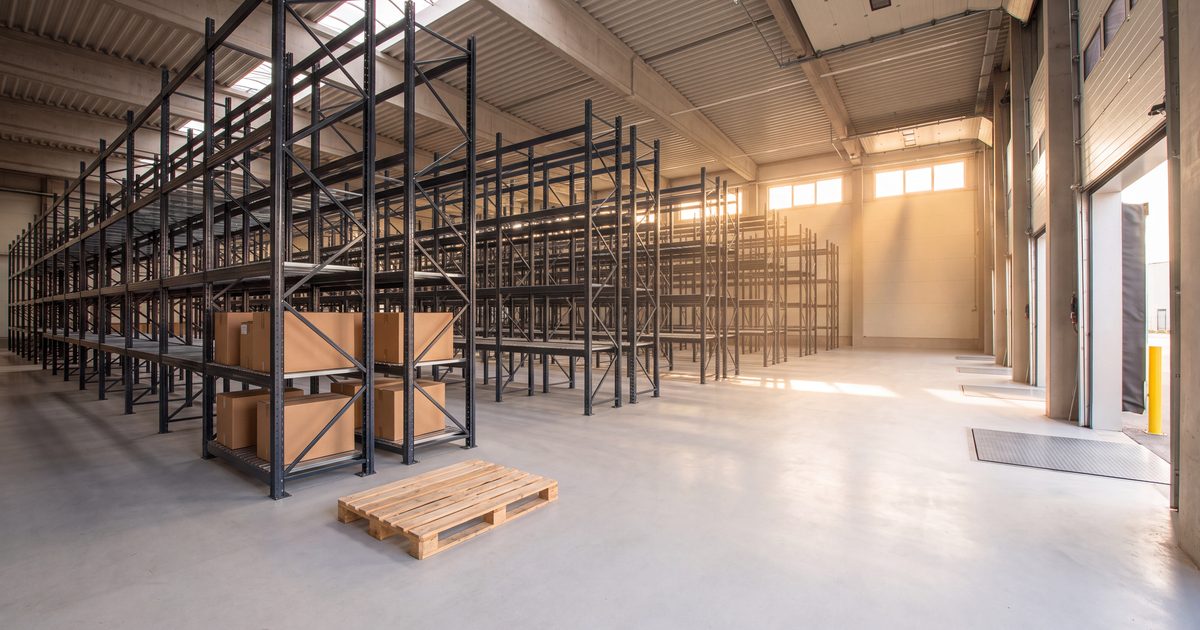
Look for a location close to main roads and courier hubs, with enough ceiling height, loading docks or at least level access, good lighting and a dry, secure building. Check fire safety and the lease terms before anything else: how long you are committed, and whether you can add space next door when you grow. Starting smaller with an option to expand is usually safer than paying for empty space while you look for clients.
2. Racking and equipment
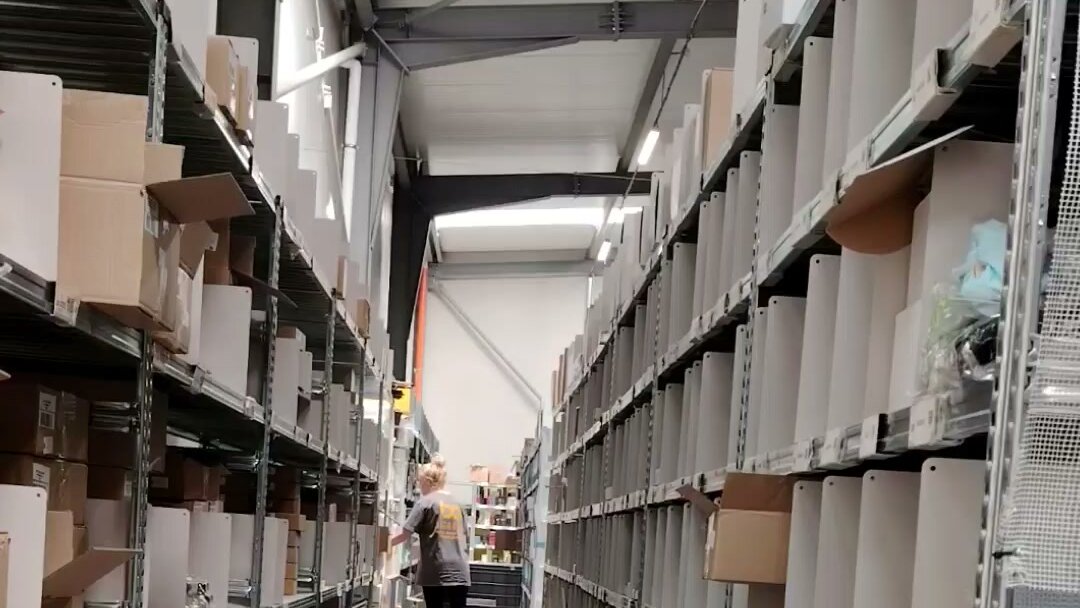
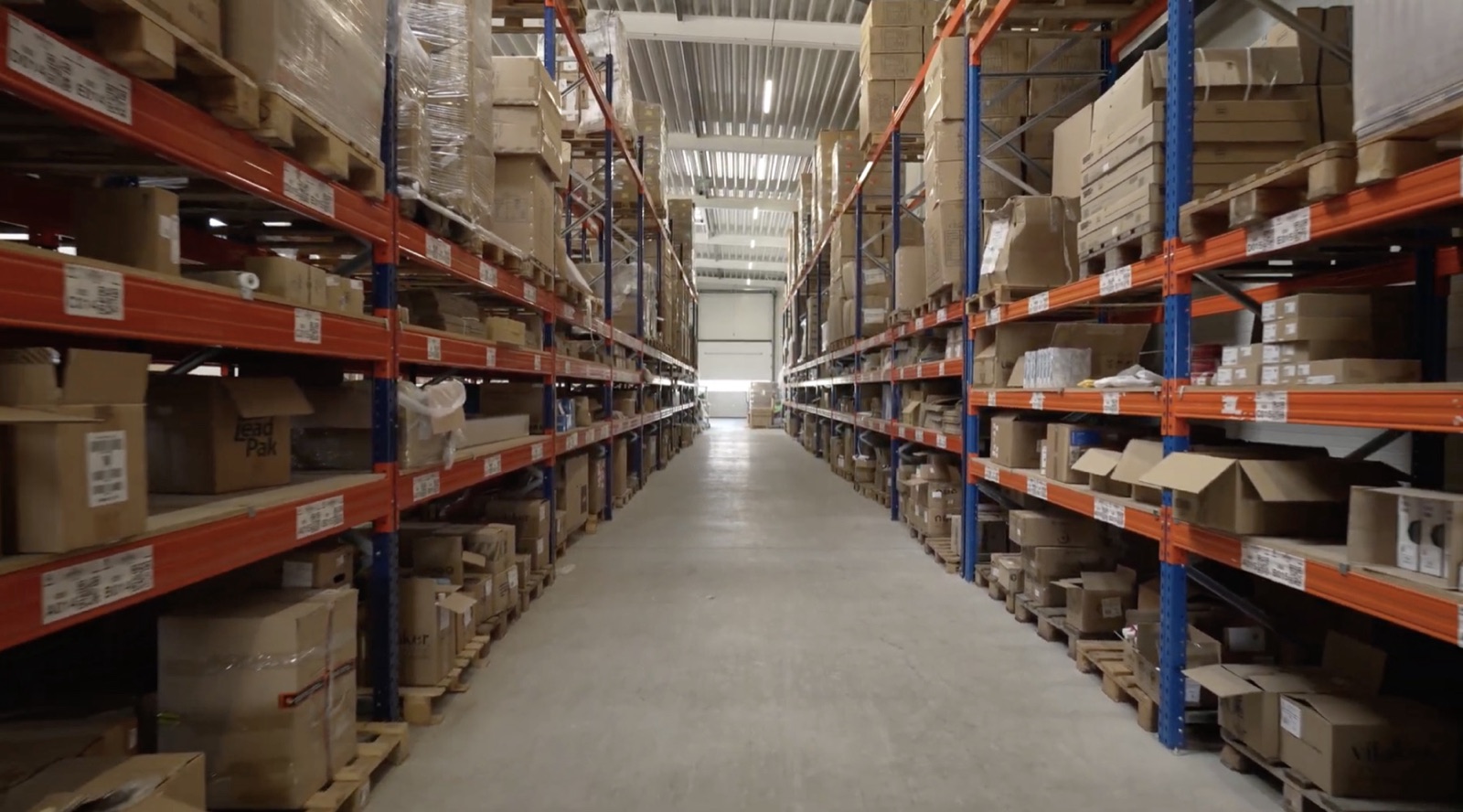
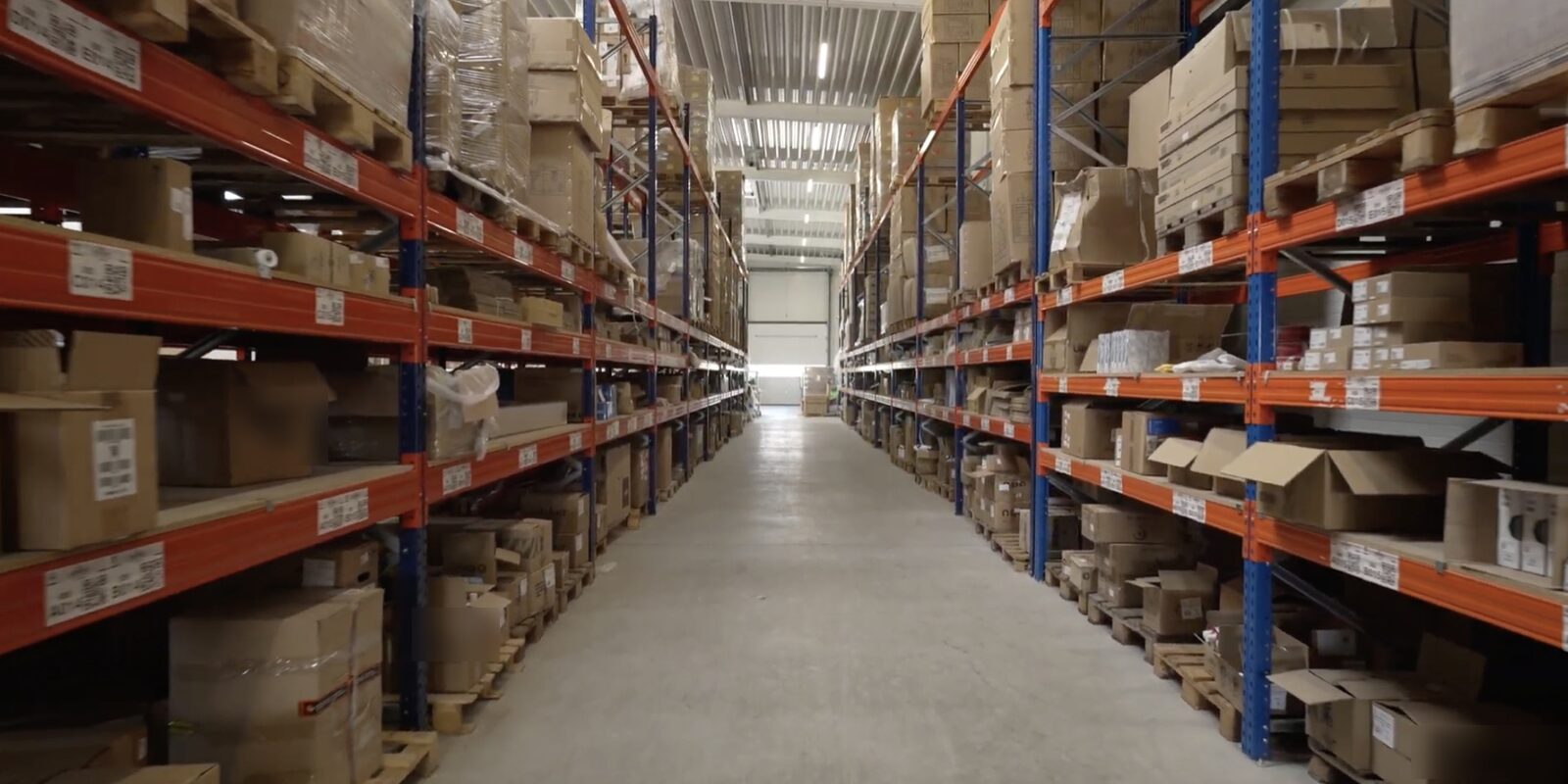
A typical e-commerce warehouse combines pallet racking for reserve stock, shelving for fast picking, packing stations, barcode scanners, label printers, scales and pallet trucks, plus a forklift if you store high. Plan the layout around the flow of goods: receiving, storage, picking, packing and dispatch, with returns in their own zone so they do not mix with outgoing orders. A good layout saves walking time on every single order, which adds up faster than most people expect.
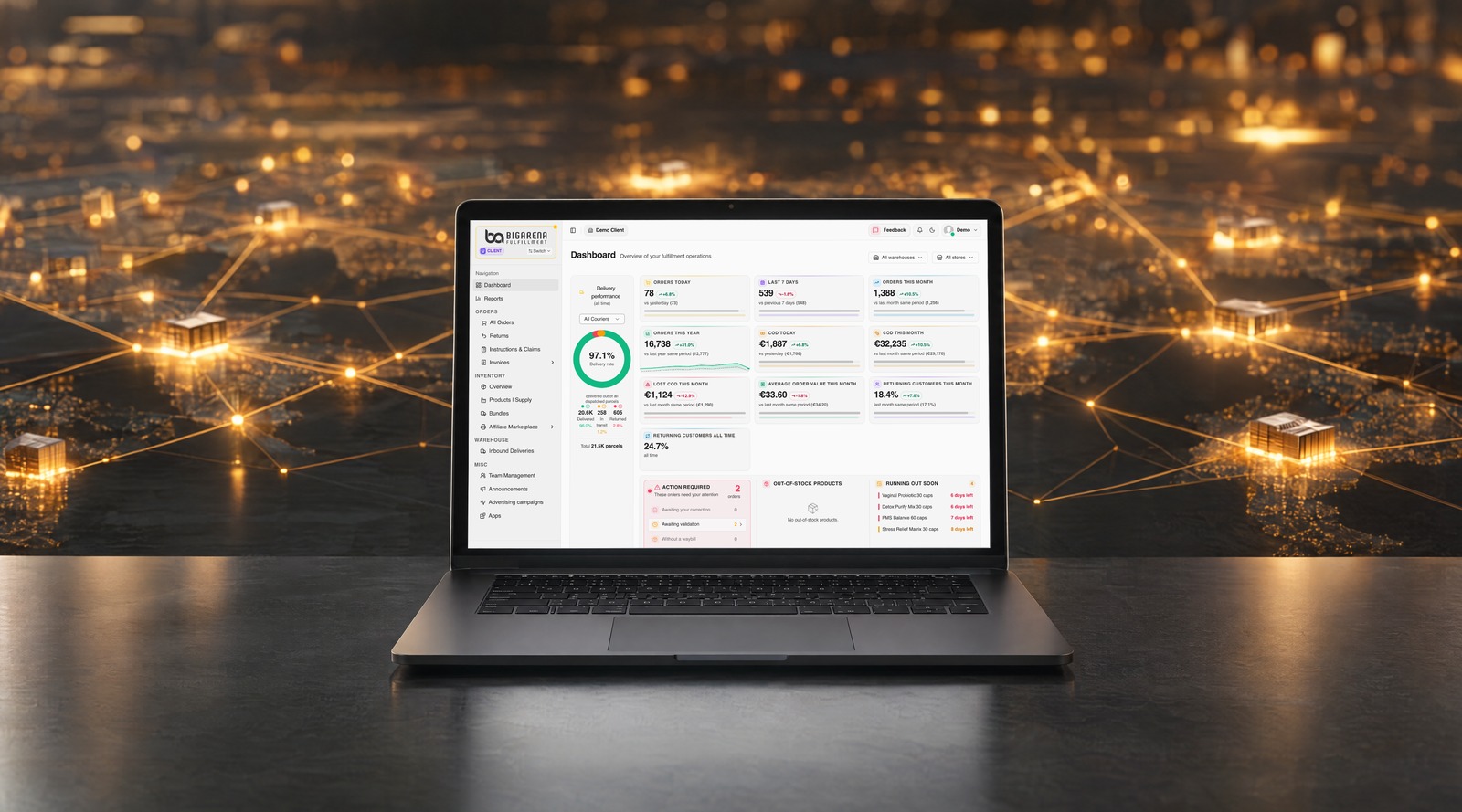
3. A WMS built for 3PL
A warehouse management system (WMS) for a 3PL is not the same as one for a single company. It has to keep many clients apart in one building and bill each of them correctly. Check that it handles:
- separate stock, orders and pricing for every client;
- barcode scanning at receiving, picking and packing;
- batch and expiry tracking if you store regulated goods;
- integrations with the shop platforms and marketplaces your clients use, with stock levels syncing back;
- courier integrations, labels and tracking;
- cash on delivery reconciliation, if your market uses it;
- returns with reasons and condition per item;
- a client panel, so clients see their stock and orders without emailing you;
- billing per client for every service line.
Spreadsheets break on the first busy day. You can subscribe to a WMS, build your own (slow and expensive to maintain) or join a network that provides one.
4. Staff and processes
Even a small 3PL needs a warehouse lead, people for picking and packing, someone responsible for receiving and returns, client service and sales. Written procedures and training matter more than headcount: every person should receive, pick and pack the same way. Plan for peaks such as Black Friday and Christmas, when volume can jump within days, and decide in advance where extra people come from.
5. Couriers
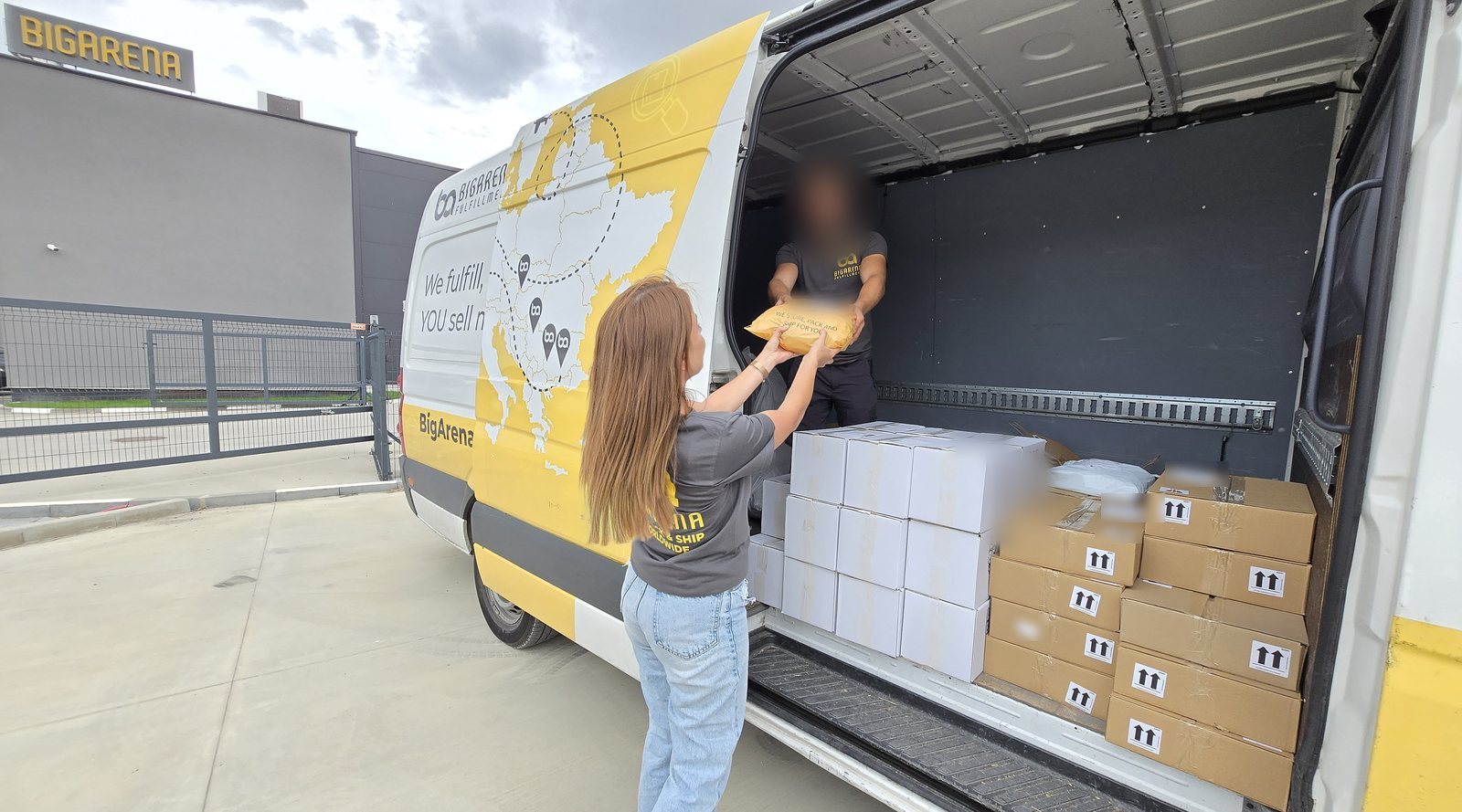
Online shoppers want to choose: home delivery, a pickup point or a parcel locker. Sign with several couriers rather than one, and connect them to your WMS so labels print automatically. Better courier terms come with volume, so your first months are the hardest. If your market uses cash on delivery, you also need a clear process for collecting the money from couriers, reconciling it per order and paying it out to clients.
6. Insurance and legal basics
Before the first client, you will usually deal with company registration, the lease, insurance for goods in your care and for liability, and a client contract that sets liability limits, notice periods and what happens to stock if a client stops paying. You also process end customers' personal data, so data protection rules such as the GDPR in the EU apply. Some goods, such as food or cosmetics, may need registrations for the warehouse. Rules differ by country, so check them with a local lawyer and accountant rather than relying on a general guide.
How much does it cost to start a 3PL?
There is no honest single number, because the cost depends on choices you make. The main factors are:
- Space: size, location, renting or buying, and the condition of floors, lighting and fire safety.
- Racking and equipment: new or used, and how high you store.
- Software: a subscription, your own development or a system that comes with a network.
- Staff: team size, local wages and training time.
- Couriers: the terms you can get before you have volume.
- Insurance, legal and accounting set-up.
- Working capital: rent and wages are paid from day one, while client volume grows over months and invoices are often paid after the month ends.
- Sales: the time and money needed to find the first clients.
Build the budget from your plan, not the other way round: target clients, their order profile, the space and team that profile needs, then the costs and the months until the warehouse covers them. Do not size the building for the volume you hope to reach in three years, and do not sign a lease you cannot carry with half the clients you expect.
How to find your first 3PL clients
- Start from what you already have. If you run a logistics, distribution or retail business, your current customers and suppliers are the first people to ask.
- Pick a niche and a region. "We ship cosmetics brands' orders the same day" is easier to sell than "we store anything".
- Connect to the platforms your clients use. Online stores run on Shopify, WooCommerce and many other platforms. If connecting a store takes weeks, you lose them before you start.
- Work with people who meet online stores every day: agencies that build shops, accountants and platform partner directories.
- Ask before you quote. Orders per month, items per order, weight, countries, return rate and cash on delivery share decide the real cost. Quoting without them leads to losses or broken promises.
- Take a few clients and serve them perfectly. References and reviews from the first clients bring the next ones.
Common mistakes when starting a 3PL
- Pricing per order without knowing the client's order profile.
- Taking every client, so bulky goods, small parcels and regulated products compete for the same space.
- Running on spreadsheets or on a WMS that was not built for many clients.
- No proof of what went into a parcel, so every complaint ends in a refund.
- Underestimating returns and unclaimed parcels, which take space, time and money.
- Working with only one courier, so customers cannot choose at checkout.
- Depending on one large client for most of the volume.
- No plan for peak season.
- Unclear contracts on liability, notice period and stock that is never collected.
Start alone or join a fulfillment network?
Starting alone gives you full control, but you build everything yourself: software, processes, pricing, sales and a client base. Joining a partner network can shorten that path. You still run your own warehouse, but on a system and processes that already work in other warehouses, and clients who need your country can find you through the network.
Some people look for a "3PL franchise". Very few real fulfillment franchises exist; most offers are partner networks or software licenses. Whatever the name, read what you actually get and pay for, who owns the client relationship and the data, which software you run on, who sets prices, and whether there is exclusivity for your country.
How we do it at BigArena: we have 8 warehouses in 7 countries (six running, Valencia planned for December 2026 and Albania for early 2027), all on our own WMS. Through the BigArena fulfillment partner program, established logistics, retail and industrial groups open a fulfillment center in their country on the same WMS, processes and standard. Their warehouse appears in one client panel, next to every warehouse in the network. It is not a franchise: it is a license for our software and way of working, plus membership in the network.
If you sell online and only need someone to ship your own orders, you do not need to start a 3PL. See fulfillment in Europe with BigArena.
Frequently asked questions
How do I start a 3PL business?
Choose the niche and region you want to serve, then secure suitable warehouse space, racking and equipment, a WMS built for many clients, a trained team and contracts with several couriers. Set up the company, insurance and client contracts with local advisers, and start with a few clients you can serve without errors.
How much does it cost to start a 3PL?
It depends on the size and location of the space, whether you rent or buy, the racking and equipment, the software, the size of the team, courier terms, insurance and the working capital you need until volume grows. Build the budget from your target clients and their order profile rather than from a general figure.
What is the 3PL business model?
A 3PL charges clients per service: storage, receiving, pick and pack, packaging, shipping, returns and value-added work such as labelling or kitting, sometimes plus a software or account fee. Profit depends on keeping the space well used and the team productive, because rent and core staff are fixed costs.
What do I need to start a fulfillment center?
A warehouse close to main roads and courier hubs, pallet racking and shelving, packing stations, scanners and label printers, a WMS for multiple clients, trained staff, contracts with several couriers, insurance and clear client contracts.
What WMS do I need for a 3PL?
One that keeps stock, orders and pricing separate for every client, works with barcode scanners, connects to the shop platforms and couriers your clients use, syncs stock levels back to their stores, handles returns and cash on delivery, gives clients their own panel and bills each client for every service.
How do 3PL companies get their first clients?
Usually through existing business relationships, a clear niche, fast integrations with the platforms online stores use, and referrals from agencies and accountants. Asking for the client's real numbers before quoting, and serving the first clients without errors, brings references that win the next ones.
Is there a 3PL franchise?
Very few real fulfillment franchises exist. Most offers are partner networks or software licenses. Check what you pay for, who owns the client relationship and the data, which software you use and whether you get exclusivity for your country.
Is it hard to start a 3PL?
The warehouse itself is the easier part. The hard parts are reaching enough volume to cover fixed costs, running accurate processes from day one and having software that connects to clients' shops and couriers. A clear niche, a realistic budget and a tested system make it much easier.
Planning a fulfillment center?
See how established groups open a fulfillment center on our WMS and join a network of 8 warehouses in 7 countries, all in one client panel.
See the partner program